
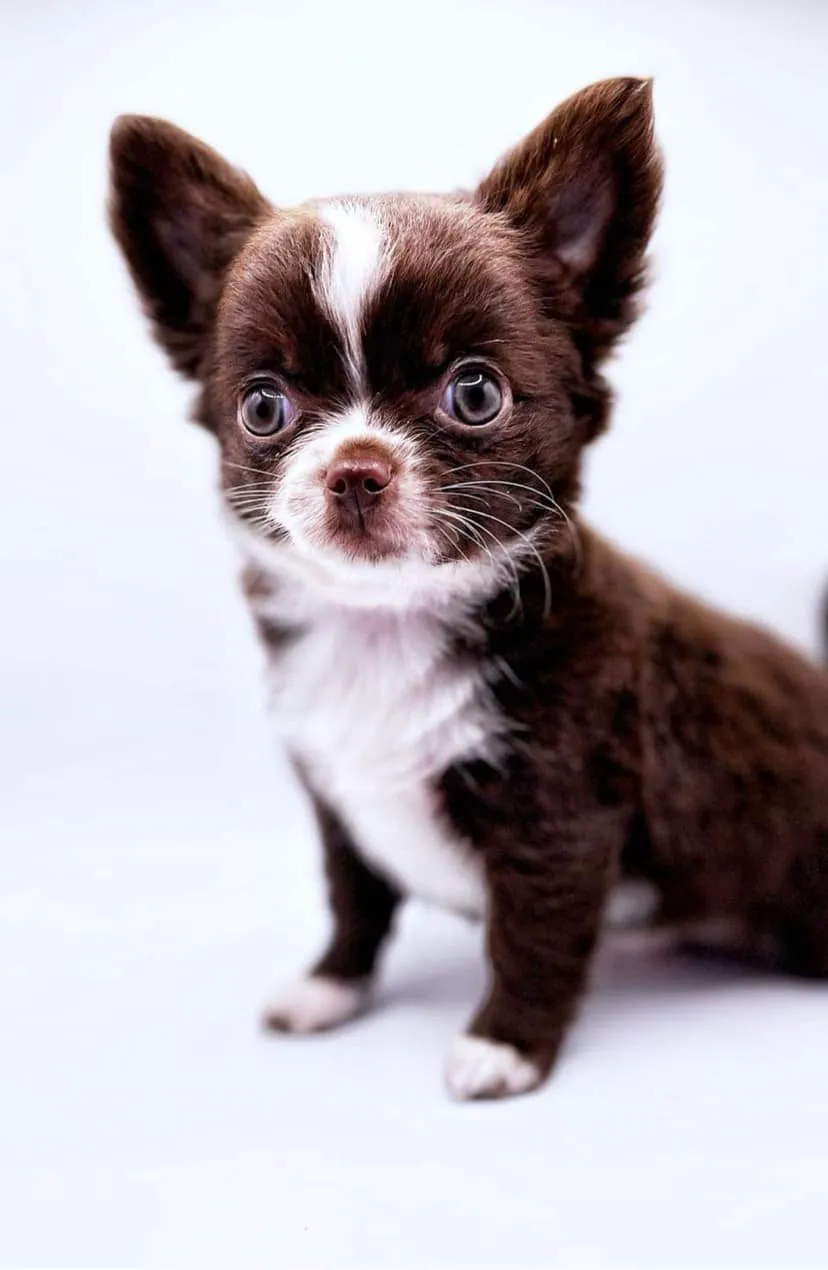
Understanding Chihuahua Genetics
Understanding the B Locus in Chihuahuas
A Friendly Guide to Chocolate Genetics
The Beauty of Chocolate Pigment
Chocolate is one of the most stunning colors in Chihuahuas! It's caused by the B locus, which creates a rich brown pigment instead of black. Understanding how chocolate works helps us appreciate this gorgeous color and make informed breeding decisions. Let's explore the genetics behind those beautiful chocolate noses and amber eyes!
What is Chocolate?
Chocolate pigmentation in Chihuahuas is one of those beautiful colors that sometimes raises questions about genetics. Let's explore how it works! Chocolate is caused by the B locus (TYRP1 gene). This gene controls the type of eumelanin (dark pigment) a dog produces—either black or brown.
How Chocolate Creates Brown Pigment
The B locus controls the type of eumelanin (dark pigment) your Chihuahua produces. The gene doesn't lighten or dilute pigment—it changes the shape of pigment molecules. This different molecular shape reflects light in a new way, creating beautiful brown pigment instead of black. Think of it like having different colored crayons rather than adding water to lighten one color!
The Genetics of Chocolate
Chocolate is recessive, meaning a dog must have two copies of the chocolate allele to express chocolate pigmentation:
| Genotype | Appearance | Description |
|---|---|---|
| BB | Black pigment | Two copies of dominant black allele |
| Bb | Black pigment (carrier) | One black, one chocolate—appears black but carries chocolate |
| bb | Chocolate pigment | Two copies of recessive chocolate allele |
Interesting Note: Multiple Chocolate Alleles
Just like with dilute, there are several versions of the chocolate allele: bc, bd, and bs. The most common are bs and bd, while bc is less common. A dog can have any combination (bc/bd, bd/bs, etc.) and will still be chocolate. All combinations look the same—the different alleles don't change the shade of chocolate.
Helpful tip for testing: When choosing a DNA test, it's helpful to find one that screens for all chocolate variants (bc, bd, bs). This gives you the most complete picture for your breeding program.
How Chocolate Works in the Coat
The chocolate gene affects eumelanin (black/brown pigment) only. When a dog is bb on the B locus:
- ALL black in the coat becomes chocolate brown
- This includes saddles, sable tipping, brindle stripes, merle patches, and tan point patterns
- Phaeomelanin (tan/fawn pigment) is NOT affected and remains the same rich color
- The nose turns chocolate brown
- The eyes turn amber or light brown
When a dog is bb, all eumelanin becomes chocolate—no black or grey will appear
Chocolate Works with Any Pattern
Just like dilute, chocolate can appear with any coat pattern:
- Solid Chocolate: Entire coat is chocolate brown
- Chocolate and Tan: Chocolate saddle/blanket with tan points
- Chocolate Sable: Fawn base with chocolate tipping instead of black
- Chocolate Brindle: Chocolate stripes over fawn base
- Chocolate Spotted on White: White with chocolate patches
A Special Color: Lavender
Sometimes you'll hear about lavender Chihuahuas. Lavender happens when chocolate (B locus) combines with another gene called dilute (D locus). Let's look at how this works:
| Genotype | Result |
|---|---|
| bb/DD or bb/Dd | Chocolate (full-strength brown pigment) |
| bb/dd | Lavender (chocolate + dilution = pale greyish-brown) |
Lavender: When Two Genes Work Together
Here's how lavender happens:
- bb = Chocolate pigment (changes black to brown)
- dd = Dilution gene (lightens the intensity of whatever pigment is there)
- Result: Pale greyish-brown/lavender color
Lavender is special because it needs both genes working together. A regular chocolate dog (bb/DD or bb/Dd) has full-strength brown pigment that isn't diluted. The chocolate you see most often has rich, deep brown coloring!
How to Identify Chocolate
The Nose Test
The nose is the most reliable identifier for chocolate:
- Chocolate nose: Rich brown/chocolate color = bb dog
- Black nose: Solid black = BB or Bb dog (not chocolate)
- Lavender nose: Pale greyish-brown = bb/dd dog (chocolate + dilute)
The Eye Test
Chocolate dogs have distinctive amber or copper-colored eyes, different from the dark brown eyes of black dogs. This can help confirm chocolate genetics even in heavily sabled or fawn dogs.
A Helpful Insight: Every Dog Has an Eumelanin Color
Here's something interesting: even if a Chihuahua appears to be entirely tan/fawn with no visible black or brown in the coat (like a clear sable or cream), they still have a eumelanin genotype behind the scenes. We can look at the nose and eyes to discover whether they're genetically black, blue, chocolate, or lavender. It's like having a hidden genetic signature!
Common Look-Alikes and Confusion
Bronzing vs. Chocolate
Black dogs with long coats that spend time outdoors can develop "bronzing"—sun bleaching that makes the coat look brownish. This is environmental, not genetic. Check the nose—if it's black, the dog is black, not chocolate.
Greying Gene vs. Lavender
Some breeds carry a greying gene that causes chocolate dogs to fade to a light greyish-brown over time, similar to lavender. The difference:
- Lavender (bb/dd): Born with light color, stays consistent
- Chocolate with greying: Born dark chocolate, fades as they age
Note: Greying genes are rare in Chihuahuas.
What We've Learned Together
- Chocolate is caused by the B locus (bb genotype) from the TYRP1 gene
- How it works: Changes the pigment type from black to brown by altering pigment molecule shape
- It's recessive: A dog needs two copies (bb) to be chocolate
- Chocolate = bb gives us full-strength beautiful brown pigment
- Multiple alleles exist: bc, bd, and bs - all create chocolate color
- Affects all eumelanin: Any black in the coat becomes chocolate brown
- Eyes change too: Chocolate dogs have amber or copper eyes
- The nose tells the story: Chocolate nose = bb
- Lavender = bb/dd: When chocolate combines with the dilute gene (a separate gene on the D locus)
- Testing is helpful: Look for tests that cover all B locus variants (bc, bd, bs)
Why Understanding Chocolate Matters
Understanding how the B locus works helps us with:
- Planning breedings: We can predict which puppies might be chocolate based on parent genotypes
- DNA testing: We know to test for all B locus variants (bc, bd, bs) for accurate results
- Educating puppy families: We can share accurate information about their chocolate Chihuahua
- Appreciating the color: We understand that chocolate is a beautiful, full-strength pigment type
- Learning together: We can help other breeders understand B locus genetics
Chocolate (B locus) creates a different pigment type - beautiful brown instead of black
Understanding the B locus helps us appreciate the genetics behind those gorgeous chocolate Chihuahuas with their rich brown noses and warm amber eyes. When we understand how chocolate works, we can make more informed breeding decisions and share knowledge with fellow Chihuahua enthusiasts. Every piece of knowledge helps us care for and improve our beloved breed.
© 2026 A & A's Chihuahuas. All rights reserved.
This educational content may not be reproduced without permission.
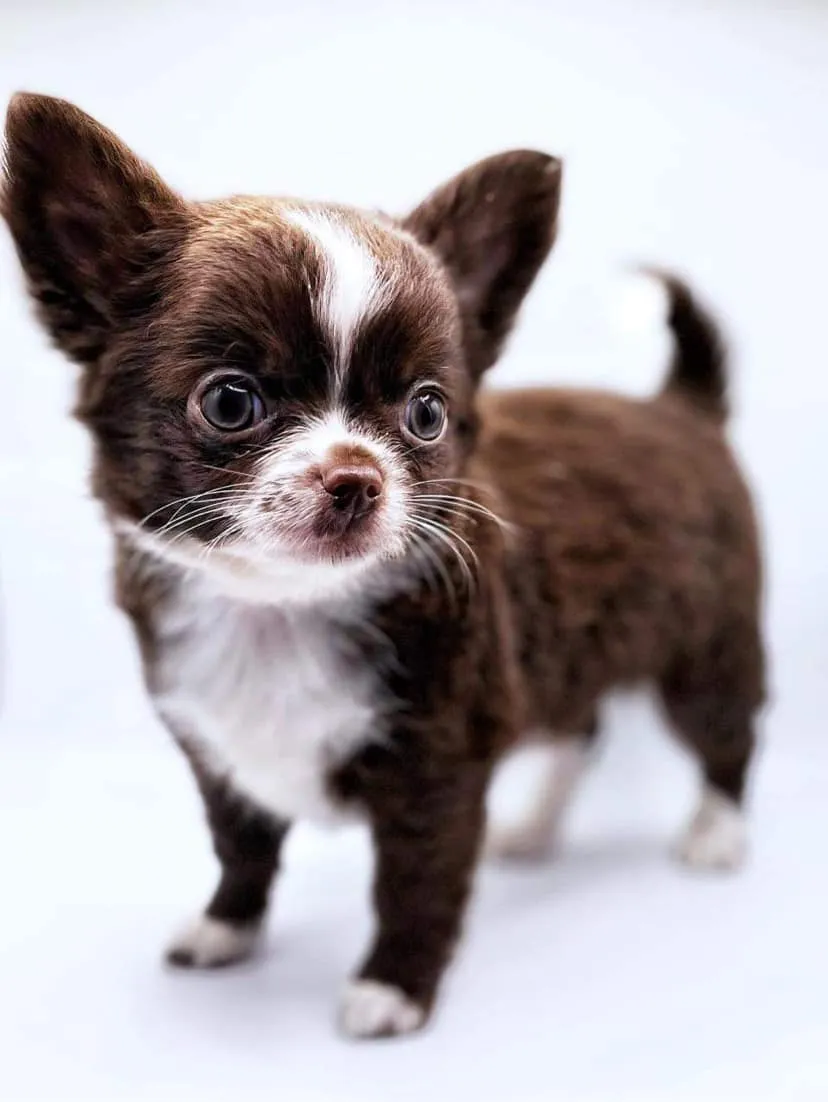

"Nova" is A chocolate fawn (pigment of nose, eye rims, and paw pads)

"Queenie" is a Chocolate Brindle Spotted on White Smooth Coated