A Recognized Color in Chihuahuas for Decades
Understanding Chihuahua Genetics
The Science, History, and Responsible Breeding of the Merle Gene
A Misunderstood Pattern with a Long History
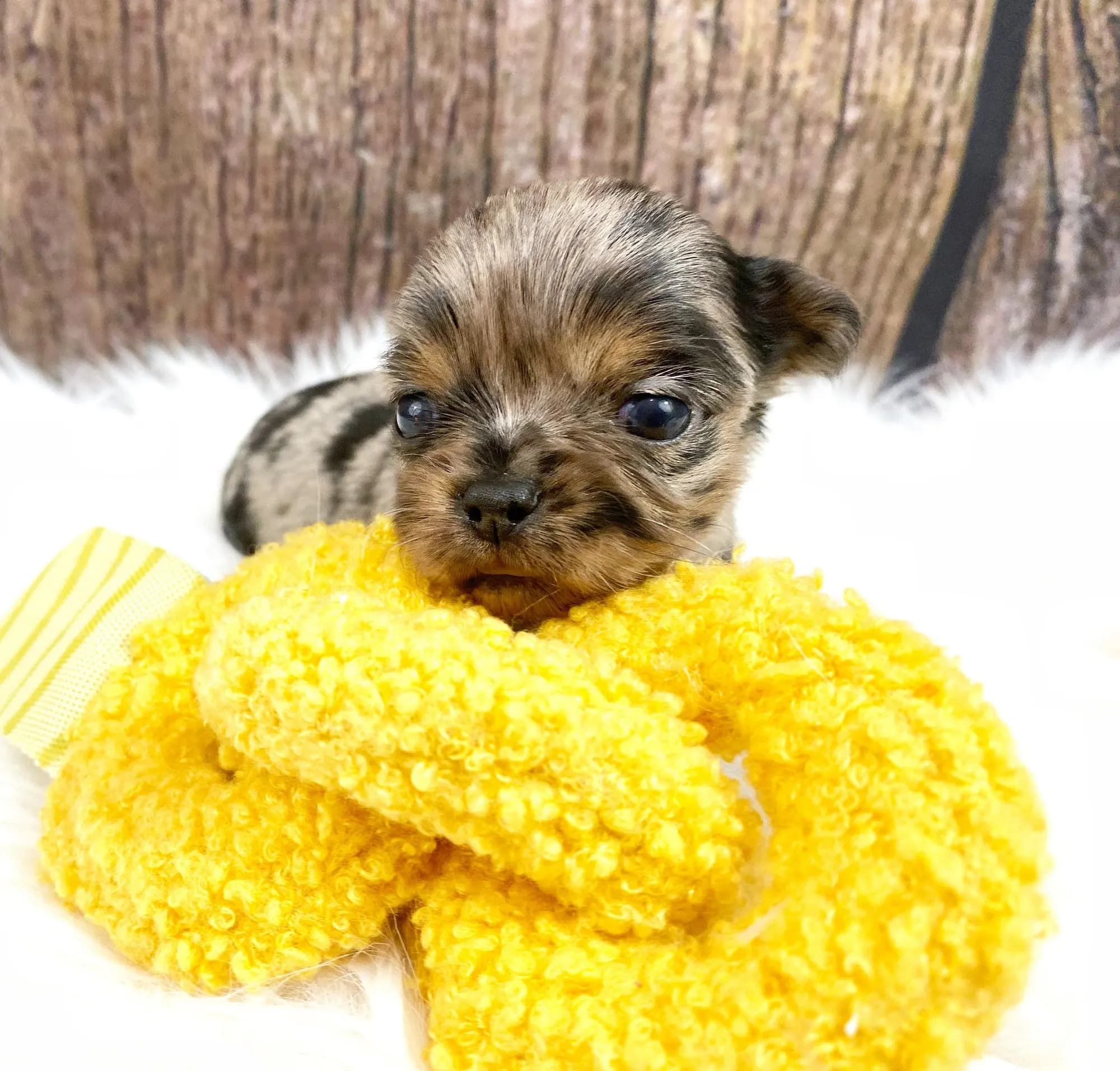
Merle is one of the most beautiful—and most misunderstood—coat patterns in Chihuahuas. Despite claims that it's a recent introduction through crossbreeding, historical records prove otherwise. Let's explore the science behind Merle, its documented history in our breed, and how to breed responsibly with modern genetic knowledge.
Historical Proof: Merle is Not New to Chihuahuas
A Recognized Color for Over 90 Years
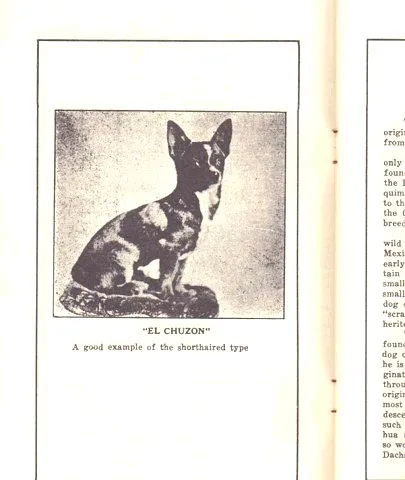
Merle has been documented in Chihuahuas since at least the 1930s, as shown in the historic "El Chuzon" book above. In 1947, Milo Denlinger's The Complete Chihuahua described Merle as a legitimate and naturally occurring color in the breed.
While Merle Chihuahuas have faced scrutiny due to potential health risks and controversies over their origins, their longstanding presence in the breed—documented for over 75 years—establishes them as an integral part of the Chihuahua genetic landscape, not a recent crossbreed introduction.
How the Merle Gene Works
The Merle gene is a semi-dominant gene located at the PMEL locus (also known as SILV). This gene affects pigmentation by creating a "SINE insertion"—an extra piece of DNA that disrupts normal pigment production, resulting in the characteristic mottled or "splashed" coat patterns.
Critical Point: Merle is DOMINANT
Because Merle is dominant (not recessive), a Merle puppy MUST have at least one Merle parent. You cannot get a Merle puppy from two truly non-Merle (mm) parents.
This is why "Merle-free lines" is a misleading concept—if your dogs are genuinely mm (non-Merle), you won't produce Merle puppies. The real danger is hidden Merle in dogs that LOOK non-Merle but genetically ARE Merle (cryptic carriers and phantom Merles). These dogs can be unknowingly bred together, producing Merle or double Merle puppies.
Basic Merle Genotypes
Remember: Merle is dominant. A puppy needs to inherit at least one M allele from a Merle parent to be Merle. Two mm (non-Merle) parents CANNOT produce Merle puppies.
| Genotype | Appearance | Health Considerations |
|---|---|---|
| mm | Non-Merle (solid pigmentation) | No Merle-related health risks |
| Mm | Single Merle (mottled pattern) One parent was Merle | Generally healthy with proper breeding |
| MM | Double Merle (excessive white, minimal patches) Both parents carried Merle | High risk of deafness, blindness, eye defects |
The Merle Allelic Spectrum: It's Not Just "On or Off"
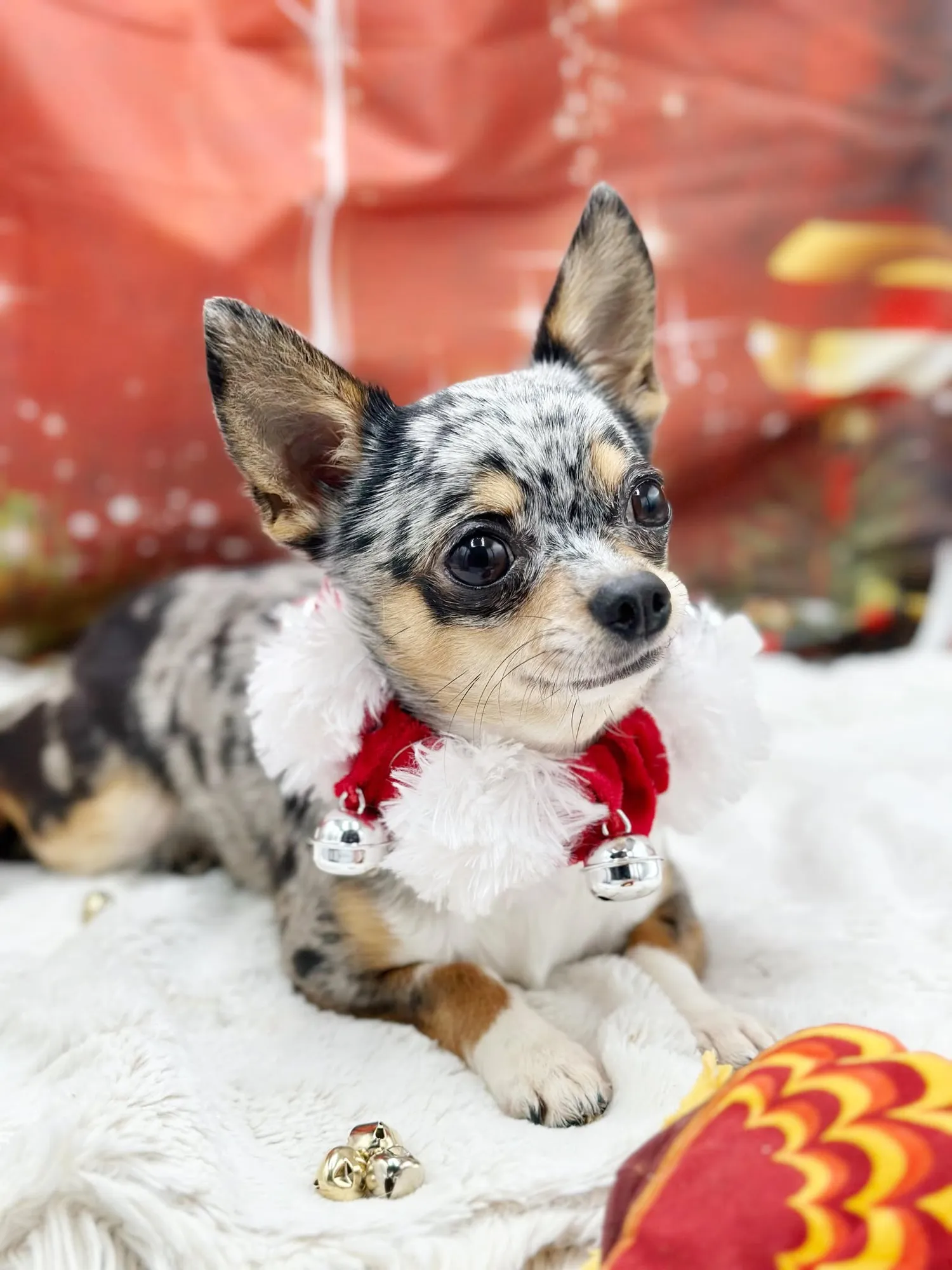
Recent research has revealed that Merle isn't a simple single gene—it exists as a spectrum of alleles, each corresponding to specific base-pair lengths of the SINE insertion. The longer the insertion, the stronger the effect on pigmentation.
UC Davis VGL Allelic Ranges
| Allele | Base-Pair Length | Effect on Coat |
|---|---|---|
| Mc (Cryptic) | 200-230 bp | No visible Merle pattern |
| Mc+ (Cryptic Plus) | 231-246 bp | Minimal visible pattern |
| Ma (Atypical) | 247-254 bp | Slight to irregular pattern |
| Ma+ (Atypical Plus) | 255-264 bp | More pronounced pattern |
| M (Standard) | 265-268 bp | Classic Merle markings |
| Mh (Harlequin) | 269-280 bp | Extreme dilution to white/light grey |
Cryptic Merles: The Hidden Carriers
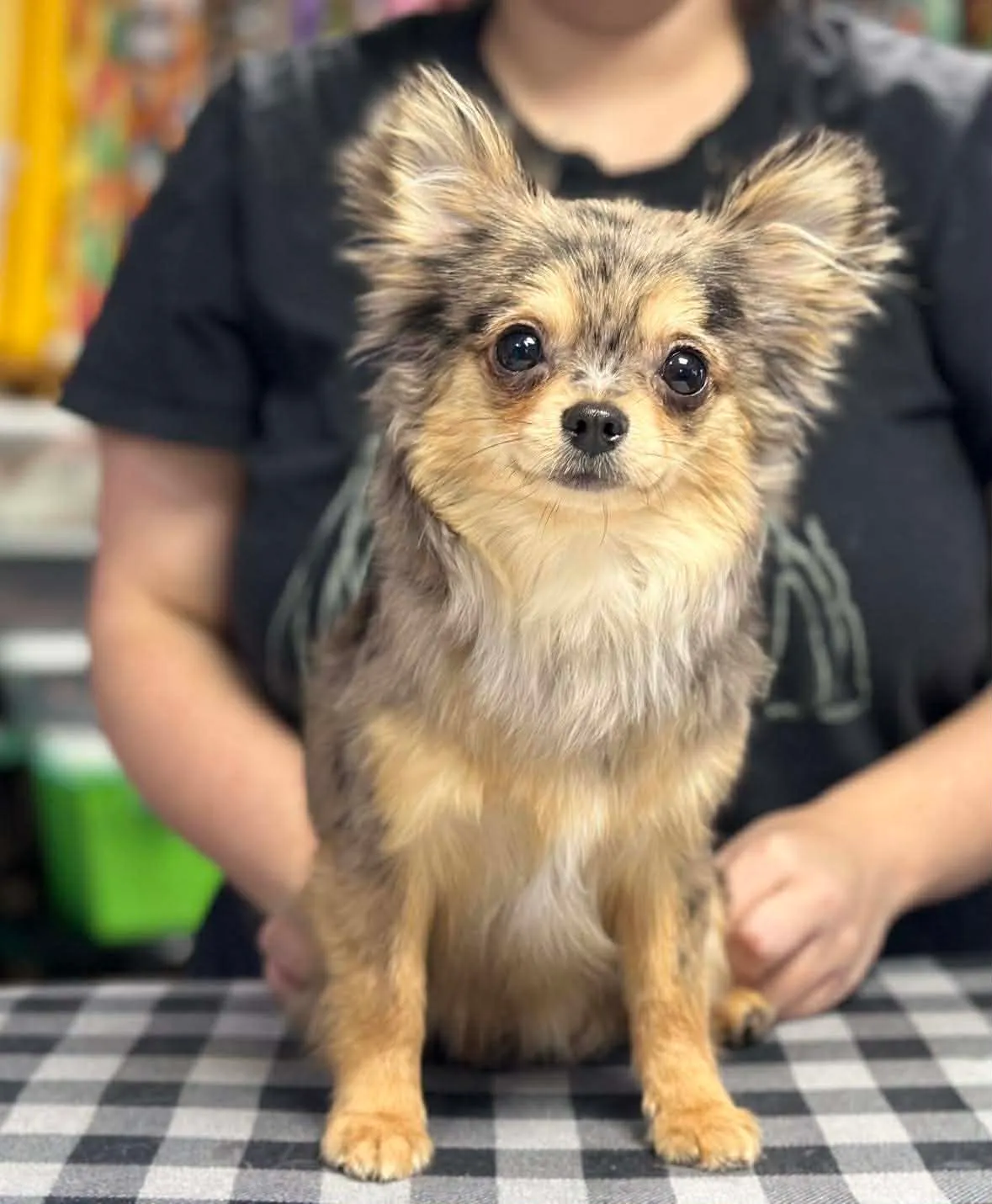
Cryptic Merles are dogs that carry the Merle gene but show no visible Merle pattern. This occurs when the SINE insertion is too short (200-230 bp) to affect pigmentation visibly.
The Danger of Cryptic Merles
- They appear completely non-Merle to the eye
- They can pass the Merle gene to offspring
- Without DNA testing, they're mistaken for mm (non-Merle)
- This leads to accidental Merle-to-Merle pairings and double Merle puppies
Common Misconceptions About "Merle-Free Lines"
A dangerous misunderstanding among breeders is believing that purchasing or breeding "Merle-free lines" ensures safety from Merle-related health risks. This belief is problematic because it misses the fundamental point about Merle genetics:
The Biggest Misconception: "Merle Can Skip Generations"
Many breeders believe that if there's a Merle ancestor a few generations back, a Merle puppy can appear even though neither parent is Merle.
THIS IS GENETICALLY IMPOSSIBLE.
Merle is DOMINANT, not recessive. It does not work like recessive genes (such as long coat or liver). Here's the truth:
- Merle CANNOT skip generations - if a dog is Merle, you can see it in their genotype (even if hidden visually by ee or Mc)
- Merle CANNOT hide in the pedigree - every dog in the direct line from a Merle ancestor to a Merle puppy must also be Merle genetically
- If both parents test as mm (non-Merle), they CANNOT produce Merle puppies - period
So why do breeders think this happens? Because they're seeing puppies that "shouldn't be Merle" based on pedigree - but what's actually happening is one or both parents IS Merle, just hidden:
- One parent is cryptic Merle (Mc) - looks completely non-Merle
- One parent is phantom Merle (ee + Merle) - looks solid red/cream
- One parent was misregistered as brindle or non-Merle generations ago
The Truth About "Merle-Free Lines"
If both parents are truly non-Merle (mm), you CANNOT produce Merle puppies—Merle is dominant, not recessive.
The real issue isn't Merle "appearing" from non-Merle parents (genetically impossible). The issue is:
- You don't know if your "non-Merle" dog is actually non-Merle without DNA testing
- Cryptic Merles (Mc) look completely non-Merle but ARE genetically Merle
- Phantom Merles (ee + Merle) look solid red/cream but ARE genetically Merle
- Historical misregistration means pedigrees may incorrectly label Merles as brindle or non-Merle
So when breeders claim "Merle-free lines," what they really mean is "lines where I haven't seen visible Merle" - but without testing, they have no way of knowing if hidden Merle carriers exist.
Why This Matters
When two dogs that LOOK non-Merle but both carry hidden Merle are bred together:
- If both are cryptic Merle (Mc), you get Merle puppies (and possibly double Merle if Mc+ or longer)
- If both are phantom Merle (ee + M), you get double Merle puppies with serious health risks
- If one is cryptic and one is phantom, you get visible Merle puppies
This is why DNA testing every dog is essential - not just the ones that look Merle.
The Brindle Misregistration Problem
In Chihuahuas, some Merle dogs have been misregistered as "brindle" either through honest confusion or deliberate mislabeling. This perpetuates misconceptions about a line's Merle status and can lead to improper breeding decisions years later when descendants are bred without knowledge of their true genetic background.
Phantom Merles: Hidden by Recessive Red (ee)
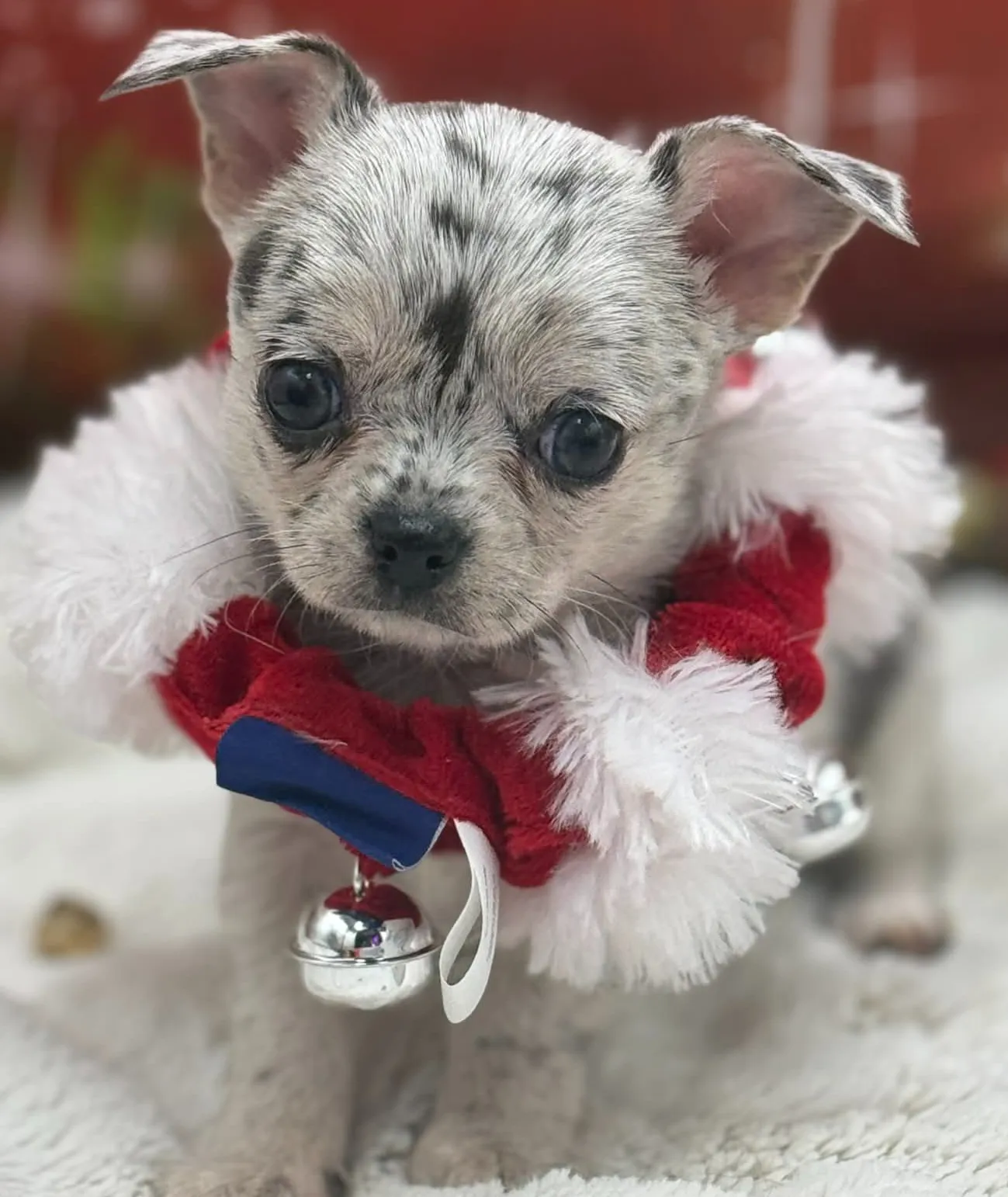
Merle affects eumelanin (black/brown pigment) only—it does not affect phaeomelanin (tan pigment). This means a dog with recessive red (ee) will produce only phaeomelanin in their coat, making any Merle completely invisible.
In Chihuahuas, ee produces cream-colored dogs (not the deep "red" seen in some breeds). A cream Chihuahua could be carrying Merle with absolutely no visible indication.
Identifying Phantom Merles in Chihuahuas
A cream Chihuahua (ee) may be a hidden Merle carrier if:
- They have blue or partially blue eyes (though blue eyes can occur separately from Merle)
- They have Merle in their pedigree
- Their nose shows reduced pigmentation (butterfly nose)
DNA testing is the ONLY definitive way to identify phantom Merles. Never breed a cream dog with Merle ancestry to another Merle without testing both parents for Merle alleles.
Example: Two cream dogs that both appear non-Merle could both be ee + M (phantom Merles). If bred together, they would produce MM (double Merle) puppies with serious health risks.
Expression and Variability
The Merle pattern's visibility depends on several factors:
Base Coat Color
- Light colors (cream, white): Make Merle pattern very prominent
- Dark colors (black, chocolate): Can obscure the pattern, appearing cryptic
Other Genetic Interactions
- Dilution genes (dd): Create softer, pastel-like Merle patterns
- Brindle (kbr): Can overlay and obscure Merle, making identification difficult
- Sable (Ay): Merle only visible where eumelanin tipping exists
Double Merle: The Health Risks
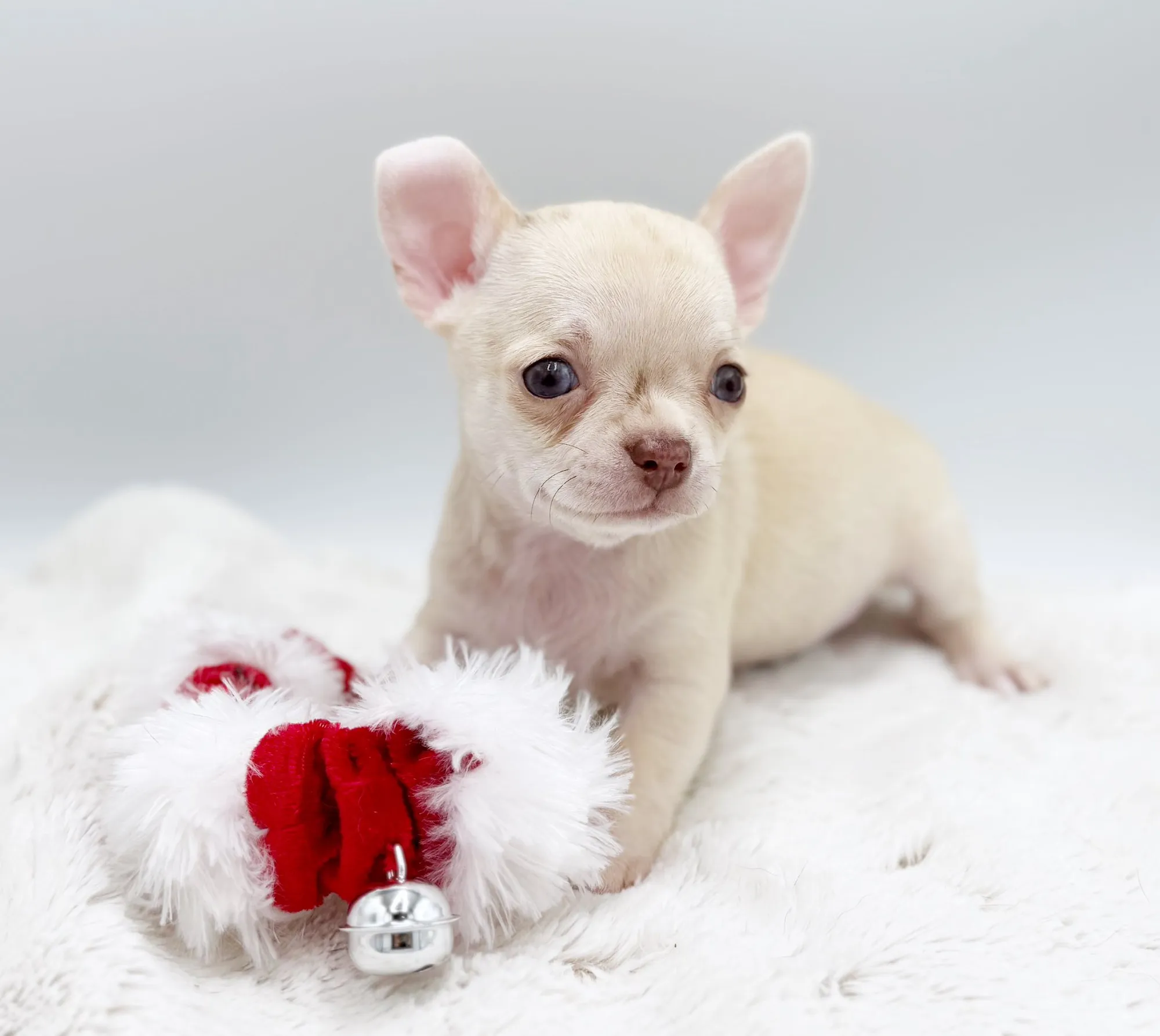
Dogs with two copies of Merle alleles (MM, MMa, MaM, etc.) are at significant risk of serious health problems:
Double Merle Health Concerns
- Deafness: Due to lack of pigment in inner ear structures
- Blindness or vision impairment: From eye defects
- Microphthalmia: Abnormally small or malformed eyes
- Sun sensitivity and skin cancer: On exposed pink/white areas
- Increased white markings: Often excessive, with color only on head/back
Double Merles are produced when two dogs carrying Merle alleles (other than Mc 200-230) are bred together.
Responsible Breeding Practices
Breeding Merle Chihuahuas responsibly requires a science-driven approach with DNA testing and transparency:
1. Genetic Testing is ESSENTIAL
What to Test For
- PMEL/SILV Merle test: Identifies carriers and determines allelic range
- Use labs that provide base-pair length: UC Davis VGL or other advanced testing
- Test ALL breeding stock: Even dogs that appear non-Merle
- Test clear red/cream dogs: They may be phantom Merles
2. Safe Breeding Guidelines
| Breeding | Safety Status | Notes |
|---|---|---|
| Mc (200-230) × Any Merle | ✓ SAFE | Only confirmed Mc 200-230 is safe to breed to other Merles |
| M/Ma/Mh × mm (non-Merle) | ✓ SAFE | Standard safe breeding practice |
| Mc+ (231-246) × Any Merle | ✗ UNSAFE | Can produce double Merle health issues |
| M/Ma/Mh × M/Ma/Mh | ✗ UNSAFE | High risk of double Merle puppies |
3. Accurate Registration
Ensure Merle Chihuahuas are registered correctly to maintain pedigree integrity. Mislabeling Merles as brindle creates confusion and enables improper future pairings.
4. Educate Buyers
Be transparent about:
- The Merle gene and its inheritance
- Testing results and allelic ranges
- Proper breeding practices for Merle dogs
- Health considerations and monitoring
Key Takeaways for Chihuahua Breeders
Understanding Why "Merle-Free Lines" Is a Flawed Concept:
- Merle is DOMINANT - not recessive - A Merle puppy MUST have at least one Merle parent. It cannot spontaneously appear from two truly non-Merle (mm) parents.
- If both parents are truly mm (non-Merle), you CANNOT get Merle puppies - This is basic dominant genetics. The gene must be inherited from a parent.
- So why do "Merle-free lines" produce Merle puppies? - Because at least one parent IS Merle, but it's hidden (cryptic Mc, phantom ee, or misidentified)
- The problem isn't Merle "hiding" for generations - The problem is breeders not KNOWING their dogs are Merle due to lack of testing
- Without DNA testing, you cannot confirm a dog is mm - Visual assessment fails completely with cryptic Merles (Mc 200-230) and phantom Merles (ee)
Critical Genetics Facts:
- Merle documented in Chihuahuas since 1930s - Not a new crossbreed introduction (historical proof provided above)
- Merle allelic spectrum: Mc, Mc+, Ma, Ma+, M, Mh - Base-pair lengths 200-280; longer = stronger effect
- Cryptic Merle (Mc 200-230) shows NO visible pattern - Dog looks completely non-Merle but IS genetically Merle and passes it to offspring
- Phantom Merles (Merle + ee) look like solid red/cream - Recessive red prevents all eumelanin, hiding Merle completely
- Brindle can obscure Merle - Some Merles misregistered as "brindle," contaminating supposedly Merle-free pedigrees
- ONLY Mc (200-230) can safely breed to other Merles - All other Merle alleles (Mc+, Ma, M, Mh) must breed ONLY to confirmed mm
- Double Merle causes deafness, blindness, microphthalmia - Preventable through proper testing and breeding practices
- DNA testing from UC Davis VGL or equivalent is mandatory - Must get base-pair length, not just "Merle positive/negative"
Moving Forward Responsibly
Merle is a beautiful, historically legitimate pattern in Chihuahuas. With modern genetic testing, we can:
- Preserve this part of our breed's heritage while prioritizing health
- Identify all Merle carriers including cryptic and phantom Merles
- Make informed breeding decisions based on allelic data, not just appearance
- Prevent double Merle puppies through proper testing and pairing
- Maintain accurate records for future generations
- Educate our community about responsible Merle breeding
Understanding Merle genetics empowers us to preserve this beautiful pattern responsibly. Through DNA testing, accurate registration, and education, we can enjoy the variety Merle brings to our breed while protecting the health and welfare of every Chihuahua we produce.
References & Resources
Historical Documentation:
El Chuzon (1930). Historical documentation of Merle in Chihuahuas.
Denlinger, M. (1947). The Complete Chihuahua. Describes Merle as naturally occurring in the breed.
Genetics Research:
UC Davis Veterinary Genetics Laboratory. PMEL/SILV Merle Testing and Allelic Ranges.
Langevin, M. (2020). Merle - SINE Insertion from Mc to Mh: The Incredible Story of Merle. Available at: https://www.merle-sine-insertion-from-mc-mh.com
PMEL Gene Research:
Clark, L.A., et al. (2006). "Retrotransposon insertion in SILV is responsible for merle patterning of the domestic dog." PNAS, 103(5), 1376-1381.
© 2026 A & A's Chihuahuas. All rights reserved.
This educational content may not be reproduced without permission.